
Qatar and Saudi Arabia Sign Energy Cooperation Agreement
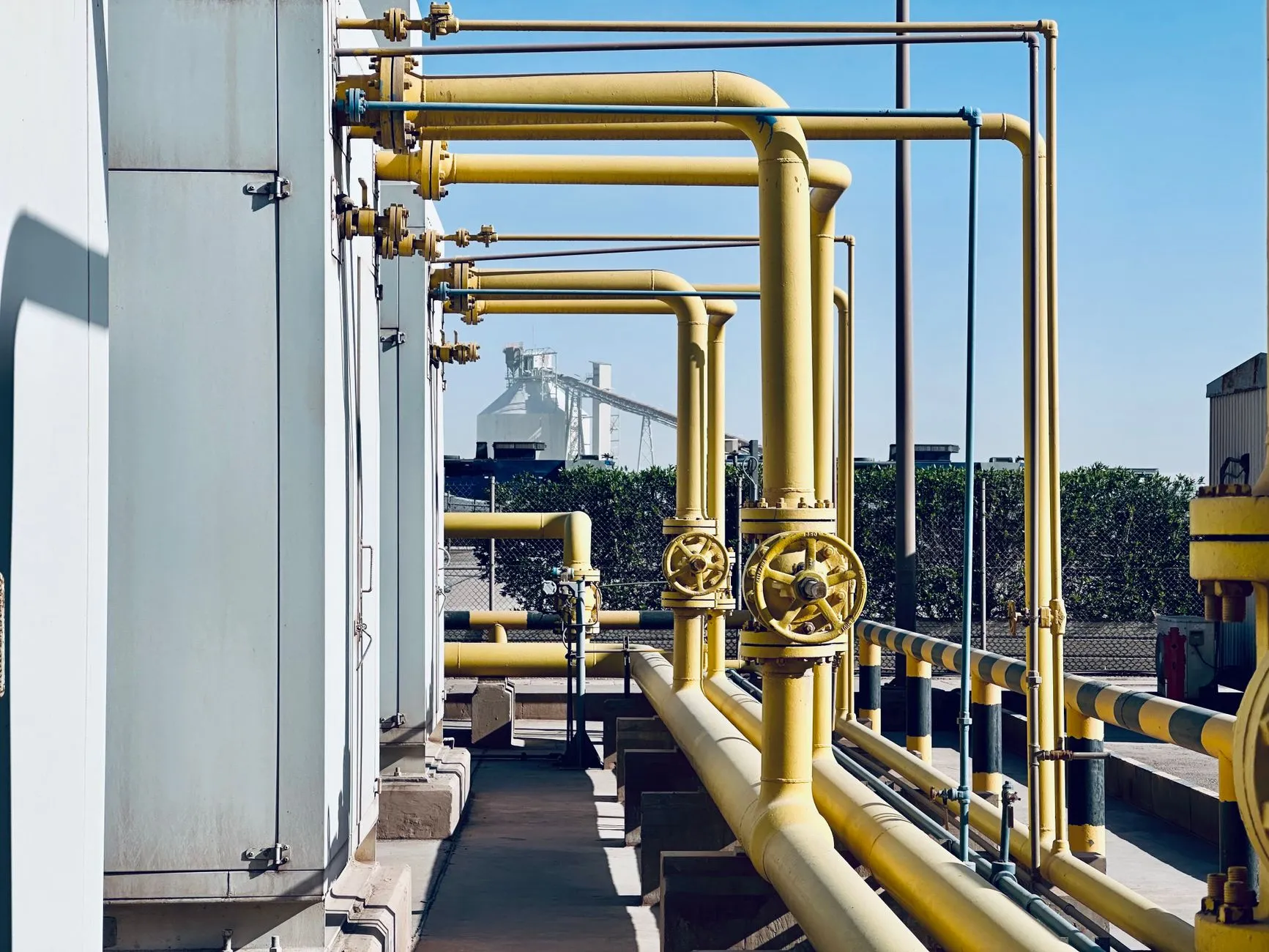
Qatar and Saudi Arabia have signed a wide-ranging energy cooperation agreement that covers everything from oil and gas infrastructure to carbon capture and clean hydrogen. The memorandum of understanding, signed on 11 October 2026 in Riyadh, sets out a framework for joint work across multiple energy sectors. However, it stops short of announcing specific projects or investment commitments.
For UK businesses working in energy, engineering, or environmental services, the agreement signals where two major Gulf economies are directing their resources. It also highlights the growing commercial importance of carbon management technologies in regions that have traditionally focused on hydrocarbon production. Moreover, the deal's emphasis on international energy forums suggests the Gulf states intend to shape the regulatory environment for hydrogen, carbon markets, and energy transition technologies.
The agreement was signed by Qatar's Minister of State for Energy Affairs, Saad bin Sherida Al Kaabi, and Saudi Arabia's Minister of Energy, Prince Abdulaziz bin Salman. The signing took place during the 17th International Energy Forum Ministerial Meeting and the 25th WPC Energy Congress, both held as part of Riyadh Energy Week.
What the memorandum actually covers
The memorandum identifies twelve distinct areas for cooperation. These range from conventional hydrocarbons to emissions reduction technologies. Specifically, the agreement covers oil, gas, and petroleum products, alongside refining and petrochemical activities. It also addresses electricity infrastructure, clean hydrogen and its derivatives, and renewable energy development.
Energy efficiency and storage technologies feature prominently. So do climate change mitigation and emissions reduction measures. Carbon capture, transport, reuse, and storage receive explicit attention. Finally, the agreement establishes a mechanism for Qatar and Saudi Arabia to coordinate their positions in international energy and climate forums.
One notable element is the reference to potential joint projects involving pipelines for transporting and exporting oil and natural gas. This language establishes a framework for further study rather than confirming any construction plans. Nevertheless, it suggests both countries see value in exploring shared infrastructure for hydrocarbon exports.
The memorandum also mentions cooperation on sustainable petrochemical materials for construction and industrial applications. This reflects the Gulf's interest in moving beyond crude oil exports toward higher-value processed products with improved environmental credentials.
Carbon capture takes centre stage
Carbon capture, utilization, and storage represents one of the most commercially significant elements of the agreement. These technologies capture carbon dioxide from industrial facilities, transport it where necessary, and either use it in industrial processes or store it permanently underground. For manufacturers and heavy industry, these systems offer a way to reduce emissions without entirely abandoning existing production methods.
Qatar already operates substantial carbon capture infrastructure. QatarEnergy launched its first project in 2019, with capacity to capture approximately 2.2 million tonnes of carbon dioxide each year. The company has since announced additional projects linked to its North Field expansion.
One project associated with the North Field East expansion is designed to capture about 2.1 million tonnes annually. Another project tied to the North Field South expansion targets approximately 1.2 million tonnes per year. A larger facility at Ras Laffan is expected to capture and sequester up to 4.1 million tonnes annually.
QatarEnergy has stated that its LNG expansion projects will deploy carbon capture technologies across their operations. The company aims to capture more than 11 million tonnes of carbon dioxide annually by 2035. Saad Al Kaabi described the programme as supporting the production of "affordable lower-carbon energy."
This existing infrastructure provides a practical foundation for Qatar-Saudi cooperation. Potential collaboration areas include technology development, carbon transport networks, geological storage assessment, emissions monitoring, and the creation of common measurement standards. For UK engineering firms with carbon capture expertise, these projects represent potential partnership opportunities as the Gulf scales up its emissions reduction efforts.
How this affects UK businesses and supply chains
The memorandum creates several implications for UK companies operating in or trading with the Gulf region. First, it signals increased demand for environmental technologies, carbon management expertise, and energy efficiency solutions. Businesses offering these services may find new opportunities as Qatar and Saudi Arabia move from framework agreements to project implementation.
Second, the agreement's emphasis on hydrogen and renewable energy suggests both countries will require engineering, project management, and technical advisory services. UK firms with experience in offshore wind, solar deployment, or hydrogen production could find their expertise increasingly relevant in Gulf markets. Furthermore, the mention of energy storage technologies points to growing demand for battery systems, grid management solutions, and related engineering services.
Third, the focus on international coordination in climate forums suggests the Gulf states will seek to influence emerging regulations around carbon accounting, hydrogen certification, and energy transition technologies. UK businesses should monitor how these diplomatic efforts shape international standards. Consequently, companies may need to adapt their products and services to align with Gulf-influenced frameworks rather than solely European or North American standards.
For manufacturers and industrial businesses, the agreement's petrochemical elements carry particular significance. Sustainable construction materials and industrial petrochemical products could reshape supply chains. UK importers and construction firms should therefore watch for new Gulf products marketed as lower-carbon alternatives to conventional materials.
The potential pipeline infrastructure also matters for energy-intensive UK manufacturers. Increased hydrocarbon export capacity from the Gulf could affect global energy prices and supply security. Additionally, any new infrastructure would likely require substantial engineering, construction, and project management input, creating tender opportunities for UK contractors with relevant experience.
Saudi Arabia's circular carbon economy approach
Saudi Arabia has adopted a "circular carbon economy" framework that seeks to reduce, reuse, recycle, and remove carbon emissions. This approach differs from strategies focused primarily on eliminating fossil fuel use. Instead, it attempts to manage carbon throughout the energy system while maintaining hydrocarbon production for the foreseeable future.
The country has launched large-scale projects in renewable energy, hydrogen production, and carbon management as part of its broader economic diversification strategy. These initiatives form part of Saudi Vision 2030, which aims to reduce the kingdom's economic dependence on oil revenues while modernizing its industrial base.
The memorandum's inclusion of clean hydrogen, renewable energy, and carbon technologies indicates that Qatar-Saudi cooperation extends beyond conventional oil and gas. However, the continued emphasis on refining, petrochemicals, and hydrocarbon infrastructure demonstrates that both countries view these resources as economically important for decades to come.
This dual approach creates a business environment quite different from European markets. Gulf energy policy assumes continued hydrocarbon production while simultaneously investing in lower-carbon technologies. UK businesses entering this market should therefore understand that carbon reduction often means improving the emissions performance of existing energy systems rather than replacing them entirely.
Key facts about the Qatar-Saudi energy agreement
- The memorandum of understanding was signed on 11 October 2026 in Riyadh during the International Energy Forum Ministerial Meeting and WPC Energy Congress.
- Qatar's existing carbon capture projects already handle approximately 2.2 million tonnes of carbon dioxide annually, with expansion plans targeting more than 11 million tonnes by 2035.
- The agreement covers twelve distinct areas including oil and gas, electricity, hydrogen, renewables, carbon capture, and coordination in international climate forums.
- Both countries have explicitly included potential joint pipeline projects for oil and natural gas transportation and export, though no specific infrastructure has been confirmed.
- The memorandum will enter into force after completion of required legal procedures in both Qatar and Saudi Arabia, with implementation depending on subsequent project-level agreements.
- Cooperation areas include the United Nations Framework Convention on Climate Change, the Paris Agreement, and negotiations on international instruments concerning plastic pollution.
- The agreement emphasizes sustainable petrochemical materials for construction and industrial applications, potentially affecting global supply chains for building materials.
Implementation challenges and commercial realities
Framework agreements like this memorandum establish political intent and create institutional mechanisms for cooperation. They do not, however, guarantee specific outcomes. The agreement's ultimate value will depend on whether Qatar and Saudi Arabia can translate broad commitments into funded projects with clear timelines and measurable results.
Several practical questions will determine implementation success. First, can joint oil and gas pipeline projects attract sufficient private investment? Infrastructure of this scale requires billions in capital, clear demand forecasts, and stable regulatory frameworks. Investors will want certainty about throughput volumes, pricing mechanisms, and commercial terms before committing funds.
Second, how would carbon dioxide be transported and stored across national or industrial networks? Carbon capture only delivers emissions reductions if the captured CO2 is permanently sequestered or used in ways that prevent atmospheric release. Creating the necessary transport and storage infrastructure requires geological surveys, environmental assessments, and complex cross-border regulatory approvals.
Third, which standards will be used to verify emissions reductions? Carbon accounting methodologies vary significantly. Without agreed measurement frameworks, it becomes difficult to assess whether projects deliver genuine emissions cuts or simply shift emissions between locations or reporting categories.
Fourth, how might hydrogen and electricity cooperation connect with wider Gulf infrastructure? Both technologies benefit from network effects. Consequently, bilateral Qatar-Saudi projects would have greater impact if integrated with broader Gulf Cooperation Council energy systems. This requires multilateral coordination beyond the current bilateral framework.
Finally, will the memorandum produce binding project-level contracts with specific deliverables? Until detailed agreements emerge with committed funding, the memorandum remains a statement of intent rather than a guarantee of action. UK businesses should therefore track subsequent announcements for signs that cooperation is moving from principle to practice.
For UK SMEs considering work in this area, our ESG compliance and carbon reporting services can help you understand the regulatory frameworks that will govern these energy transition projects.
What this means for international energy markets
The agreement strengthens energy coordination between two of the Gulf's most important producers. Qatar ranks among the world's largest liquefied natural gas exporters, while Saudi Arabia remains the dominant oil producer within OPEC. Closer cooperation between them could affect global energy supply dynamics, particularly if joint infrastructure projects improve their combined export capacity.
Regional resilience represents another potential outcome. Shared electricity infrastructure, hydrogen production facilities, and energy storage systems could reduce both countries' vulnerability to supply disruptions. This matters for UK businesses with Gulf operations, as more stable regional energy markets reduce operational risk and supply chain uncertainty.
The memorandum also elevates carbon management technologies within bilateral energy policy. By giving carbon capture and storage equal prominence with oil, gas, and renewables, Qatar and Saudi Arabia signal that emissions reduction technologies will be commercially important in Gulf energy markets. This creates opportunities for UK businesses with relevant expertise, particularly those offering engineering, monitoring, or verification services.
Perhaps most significantly, the agreement aligns commercial energy cooperation with diplomatic coordination in international forums. By committing to coordinate positions in UN climate negotiations, Paris Agreement implementation, and plastic pollution discussions, Qatar and Saudi Arabia may seek greater influence over the rules governing energy transition, carbon markets, and future energy trade.
This diplomatic dimension matters because international standards for hydrogen certification, carbon accounting, and emissions verification are still being developed. If Gulf producers successfully shape these frameworks, they could create competitive advantages for their energy exports while potentially disadvantaging competitors using different technical approaches or accounting methods.
UK businesses should monitor how Gulf diplomatic efforts in international forums affect emerging regulations. Standards developed with Gulf input may differ from those shaped primarily by European or North American priorities. Companies will need to navigate these potentially divergent regulatory frameworks when trading across multiple markets.
Where to find authoritative information
The Qatar News Agency provides official government announcements and detailed coverage of energy policy developments. Their reporting includes ministerial statements and project announcements directly from Qatari government sources.
Saudi Arabia's official news service, the Saudi Press Agency, offers equivalent coverage of the kingdom's energy initiatives and international agreements. Both agencies publish English-language content alongside Arabic versions.
The International Energy Agency publishes regular analysis of Gulf energy markets, carbon capture technologies, and global hydrogen developments. Their reports provide independent technical assessment of energy transition trends and policy frameworks.
The United Nations Framework Convention on Climate Change website tracks international climate negotiations where Qatar and Saudi Arabia will coordinate their positions under this agreement. Understanding these diplomatic efforts helps businesses anticipate regulatory developments.
For UK businesses seeking to understand how Gulf energy developments might affect their carbon reporting obligations or supply chain sustainability requirements, SBS offers practical support for carbon reporting compliance and emissions reduction planning.