
Rivers 2040 Vision: Restoring the River Trent could unlock £10bn in economic gains
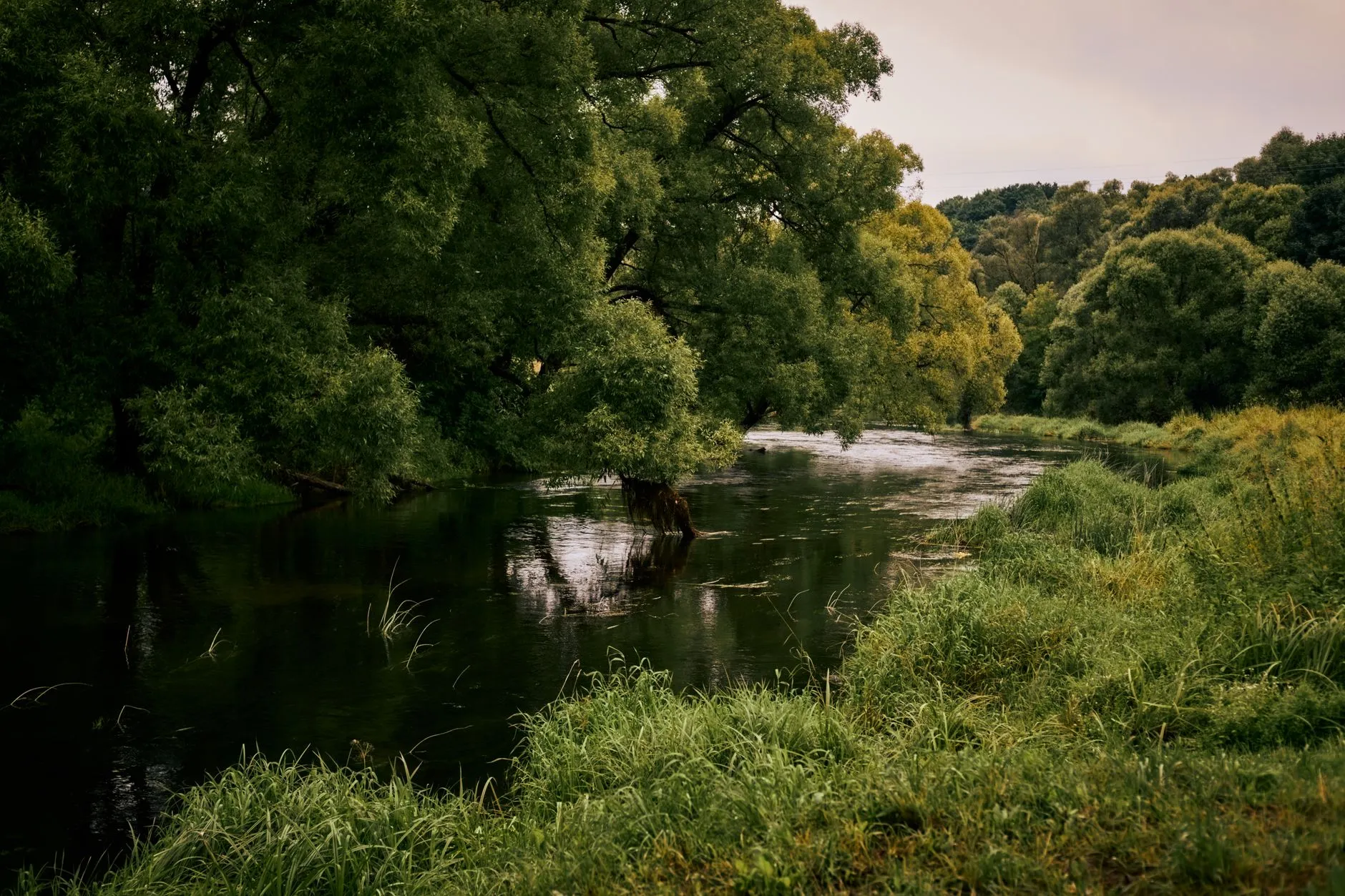
The River Trent could deliver £10 billion in economic value if large-scale restoration goes ahead, according to estimates published as part of a new catchment planning project. The figure is based on the potential combined benefits of flood reduction, improved water quality, stronger biodiversity, and better public health across a river system that serves six million people.
Rivers 2040 is an 18-month initiative led by The Wildlife Trusts, Trent Rivers Trust and RSA Insurance. It aims to create a coordinated restoration plan for the entire Trent catchment, from its source in Staffordshire to the Humber Estuary. The project was announced in September 2025 and is intended to produce a blueprint that could be applied to other rivers across England.
For businesses, the initiative raises questions about future flood exposure, insurance costs, planning constraints and the funding landscape for nature-based schemes. It also signals a growing emphasis on linking environmental recovery with measurable economic outcomes, particularly in regions vulnerable to extreme weather.
The Trent catchment covers 223 miles and major urban centres
The River Trent stretches approximately 223.5 miles. Its catchment includes large urban areas, agricultural land, former industrial zones, transport corridors and ecologically important wetlands. The valley supports around six million people and contains infrastructure critical to the Midlands and northern England.
Over centuries, the Trent has been straightened, embanked and separated from its floodplains to accommodate development, farming and navigation. Consequently, many natural processes that once regulated water flow, filtered pollutants and supported wildlife have been disrupted. Sections of the river now respond poorly to heavy rainfall, with water moving quickly through confined channels rather than spreading across floodplains.
Meanwhile, diffuse pollution from agriculture and urban runoff continues to degrade water quality. Physical barriers restrict fish migration, and habitat loss has reduced populations of species such as salmon. These pressures affect not only the river itself but also the communities and economies that depend on it.
Rivers 2040 is examining how restoration could reverse some of these impacts. The project partners are mapping existing schemes and identifying where further nature-based interventions might deliver the greatest combined benefits. The goal is to assess the Trent as a connected system rather than a series of isolated sites.
What restoration measures are under consideration
The project is expected to evaluate a range of interventions designed to restore more natural river processes. These include reconnecting rivers with their floodplains, which allows water to spread and slow during heavy rainfall. Wetlands and floodplain forests can store water temporarily, reducing peak flows downstream and supporting slower release during dry periods.
Re-meandering artificially straightened sections could improve habitat diversity and help rivers absorb energy during floods. Tree planting and better soil management can reduce surface runoff from farmland and urban areas, while treatment wetlands and reedbeds may filter pollutants before they reach watercourses.
Other measures under review include removing barriers to fish passage, creating connected habitat corridors, and improving public access to rivers and green spaces. Some proposals involve supporting the recovery of species such as salmon and, where appropriate, beavers.
Derbyshire Wildlife Trust's Wilder Trent programme has set out an ambition to create up to 70,000 hectares of connected wetlands in the Trent Valley by 2050. The proposal argues that wetlands can function as natural water stores, holding excess water during storms, releasing it gradually during drought, and providing habitat for a wide range of species.
However, these measures require land, cooperation from landowners, and long-term maintenance. In some cases, rewetting floodplains may affect farming, development plans or existing infrastructure. Therefore, the project will need to identify where benefits outweigh local trade-offs and where design can minimise disruption.
How the £10 billion estimate breaks down
The headline figure is not a forecast of direct revenue. Instead, it represents the potential economic value generated through multiple channels over the life of the programme. These channels include avoided flood damage to homes, businesses and transport networks, which can run into millions of pounds per event in vulnerable areas.
Improved water quality could reduce costs for water companies, farmers and industries that rely on clean water. Better flood resilience may lower insurance claims and premiums over time. Enhanced access to nature and green space can deliver measurable health benefits, including reduced healthcare costs and improved productivity.
Tourism and recreation also contribute. Rivers that support wildlife, angling and walking attract visitors and spending. Biodiversity gains provide ecosystem services such as pollination, soil health and carbon storage, which have recognised economic value even when not directly monetised.
The Wildlife Trusts and its partners have cited earlier analysis suggesting that every £1 invested in natural flood management could deliver £10 in benefits over 30 years. That ratio is based on avoided losses and broader wellbeing gains rather than cash returns.
Consequently, the Rivers 2040 estimate should be understood as a portfolio valuation. It assumes a coordinated programme of interventions across the catchment, delivered over 15 years, with sustained public, private and landowner investment. It is not a guarantee that £10 billion will materialise without substantial upfront commitment.
Existing projects show what targeted restoration can achieve
The Trent catchment already provides evidence that well-designed interventions can deliver measurable results. The SUNRISE project in Stoke-on-Trent improved approximately one kilometre of river channel, created or enhanced 25 kilometres of river and brook corridor habitat, and improved 130 hectares of habitat overall. It also created 1.5 hectares of new floodplain.
Removing a weir at the Victoria Ground opened around 10 kilometres of improved fish passage to the Trent headwaters. The project aimed to restore natural river processes, improve conditions for fish and insects, and increase the river's capacity to cope with urban pollution.
These examples illustrate the type of work that Rivers 2040 seeks to connect into a wider strategy. Rather than treating each site separately, the initiative aims to determine how multiple schemes can reinforce one another. For instance, tree planting upstream could reduce runoff that would otherwise overwhelm restored floodplains downstream.
A catchment-wide approach also allows project partners to prioritise locations where benefits are greatest and resources are limited. It can help avoid unintended consequences, such as shifting flood risk from one community to another.
Rivers 2040 sets out a 15-year delivery timeline
The project partners are using the 18-month study period to map existing restoration work, identify priority locations, and quantify potential benefits. The final vision is scheduled for publication in autumn 2026. It will set out a 15-year programme for delivery, with clear milestones and coordination mechanisms.
The vision is intended to align projects delivered by councils, charities, landowners, water companies and infrastructure providers. Coordination could reduce duplication, improve cost-effectiveness and ensure that individual schemes contribute to shared goals.
RSA Insurance, now part of Intact Insurance, is examining how restoration could affect risk for insurers and customers. The partnership is based on the premise that restoring natural systems may reduce future losses while improving local environments. However, the insurance implications depend on the scale and location of interventions, as well as their maintenance over time.
Nature-based solutions are not a universal substitute for traditional flood defences. Their effectiveness varies depending on land availability, soil type, weather conditions and the scale of the hazard. They are most effective when integrated with planning controls, resilient infrastructure and effective pollution regulation.
Implications for UK businesses in the catchment
For businesses operating in the Trent catchment, the project has several potential consequences. Flood resilience measures could reduce disruption and damage to premises, stock and supply chains. Companies in flood-prone areas may see lower insurance premiums if restoration reduces risk over time, although this depends on insurers recognising the benefits in their pricing models.
Planning and development may face new considerations. Large-scale floodplain restoration could affect land availability and development constraints. Some areas currently considered for housing or commercial use may be prioritised for wetland creation or floodwater storage. Businesses involved in construction, property or infrastructure should monitor how the Rivers 2040 vision influences local planning policies.
Agricultural businesses may face changes in land use and management practices. Rewetting floodplains and creating buffer zones could reduce productive farmland, although schemes may include compensation or alternative income streams such as biodiversity net gain credits. Improved soil and water management could also reduce input costs and improve resilience to drought.
Water-dependent industries may benefit from improved water quality and more stable flows. Conversely, businesses that rely on water abstraction may face tighter controls if restoration requires maintaining minimum river levels. Understanding these trade-offs will be important for long-term planning.
For businesses in supply chains that serve public sector contracts, the project could influence tender requirements. Government buyers increasingly expect suppliers to demonstrate environmental performance, including support for nature recovery and climate adaptation. Demonstrating alignment with catchment-scale restoration plans may become a competitive advantage in procurement.
Tourism and leisure businesses could see opportunities if restoration improves access to rivers, creates new habitats and attracts visitors. However, this depends on coordinated investment in access infrastructure, interpretation and marketing.
Summary of key details
- The River Trent catchment could generate up to £10 billion in economic benefits through large-scale restoration, according to estimates from The Wildlife Trusts, Trent Rivers Trust and RSA Insurance.
- Rivers 2040 is an 18-month project announced in September 2025, examining the Trent from its source in Staffordshire to the Humber Estuary.
- The catchment supports around six million people and covers approximately 223.5 miles of river and surrounding landscapes.
- Restoration measures under review include floodplain reconnection, wetland creation, tree planting, re-meandering, pollution reduction and removing barriers to fish migration.
- The final catchment vision is expected in autumn 2026, followed by a 15-year delivery programme.
- The economic case is based on avoided flood damage, improved water quality, health benefits, biodiversity gains and insurance risk reduction, not direct revenue.
- Nature-based solutions are most effective when integrated with conventional flood defences, planning controls and pollution regulation.
- Businesses in the catchment may experience changes in flood exposure, planning constraints, land use, water access and procurement requirements.
What businesses should consider now
Understanding flood and water risk in your area is a sensible starting point. The Rivers 2040 project will identify priority locations for restoration, which may affect planning, insurance and infrastructure decisions. Businesses in flood-prone areas should review current resilience measures and consider how catchment-scale restoration could change future risk profiles.
If your business relies on land or water resources, engaging with local consultations will be important. Restoration plans may create new opportunities, such as biodiversity net gain income or environmental stewardship payments. Equally, they may introduce constraints on development or water use. Early involvement can help shape proposals and identify where your interests align with wider goals.
For businesses supplying the public sector, demonstrating environmental performance is increasingly important. Linking your operations to recognised programmes such as net zero reporting and carbon reduction can strengthen tender responses. Understanding how your business supports nature recovery and climate adaptation may become a differentiator in competitive bids.
Supply chain resilience is another consideration. Extreme weather and water scarcity affect not only your direct operations but also suppliers and customers. Businesses that proactively assess climate and environmental risks across their supply chains are better placed to manage disruption and maintain continuity.
If you operate in sectors such as agriculture, construction, property or water-dependent industries, the transition to catchment-scale restoration will require careful planning. This may include reviewing land management practices, exploring alternative income streams, or investing in water efficiency measures. Professional advice can help navigate these changes while maintaining commercial viability.
For businesses interested in supporting nature recovery, opportunities may emerge through partnership arrangements, sponsored projects or environmental markets. These could include biodiversity net gain, carbon offsetting or natural capital investment. However, such opportunities require robust governance, transparent metrics and credible verification to avoid reputational risk.
Training and capacity building will also matter. Understanding environmental regulations, restoration principles and procurement standards requires specialist knowledge. Training programmes on sustainability and compliance can help teams stay informed and respond effectively to changing requirements.
Where to find further information
The Wildlife Trusts provides detailed information on the Rivers 2040 project, including its aims, partners and timeline. The Wildlife Trusts website offers updates on progress and opportunities to engage with local consultations.
For businesses interested in understanding flood risk and natural flood management, the Environment Agency publishes guidance, flood maps and case studies. The Environment Agency's website includes resources on flood resilience, water quality and environmental permitting.
The Department for Environment, Food and Rural Affairs (Defra) sets out national policy on nature recovery, flood management and water resources. Defra's website includes information on environmental land management schemes, biodiversity net gain and the 25 Year Environment Plan.
For businesses in the Trent catchment, local Wildlife Trusts and Rivers Trusts may provide opportunities to participate in restoration projects or access expert advice. Engaging with these organisations can help businesses align their operations with catchment-scale goals and identify practical next steps.