Worker Wellbeing: The Supply Chain Sustainability Solution
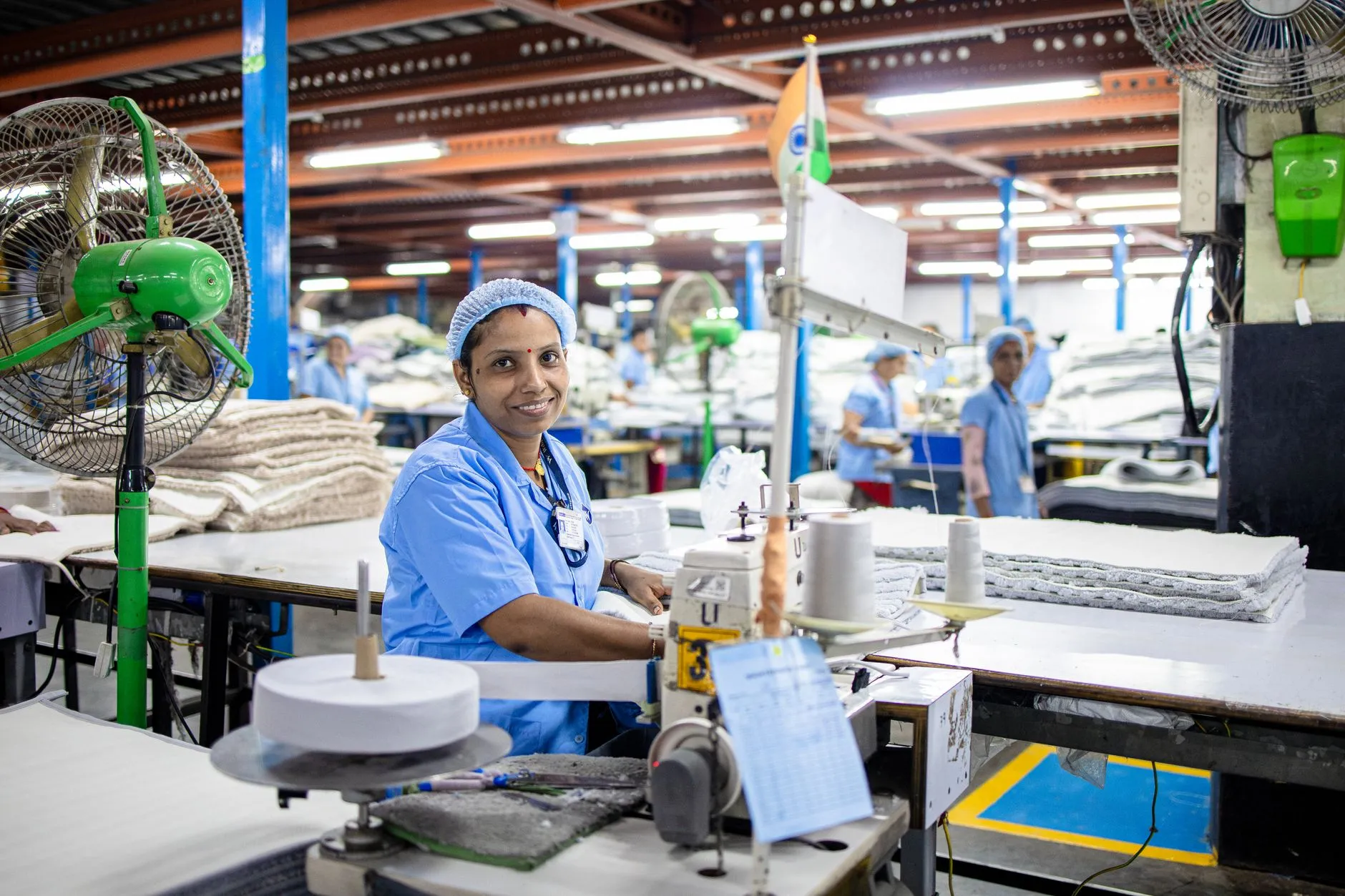
<p>Factories across China and Vietnam are treating childcare, parental leave and flexible working as supply chain tools rather than social add-ons. Research from the Ethical Supply Chain Program shows that family support measures can cut turnover, lower recruitment costs and stabilise production in garment and electronics manufacturing.</p><p>For UK businesses sourcing from Asia, this matters. High turnover in supplier factories creates quality problems, delivery delays and cost pressures. Consequently, worker wellbeing is becoming a commercial lever, not just a compliance box.</p><p>The evidence suggests that addressing the practical circumstances of factory employees can deliver measurable business outcomes. In particular, childcare access appears to influence whether parents remain in manufacturing jobs.</p><h2>Turnover costs and childcare pressures in Chinese factories</h2><p>Manufacturers in southern China face acute retention challenges. According to ESCP, 82% of employers surveyed were actively investing in recruitment and retention strategies. Meanwhile, 82% of workers reported insufficient time with families, while 63% said they could not afford childcare.</p><p>The financial pressures are stark. Day-care fees in some manufacturing regions reach RMB¥1,500 to RMB¥2,000 per month. Minimum wages in Shenzhen stand at approximately RMB¥2,360 monthly, while Dongguan pays around RMB¥1,900. For many working parents, leaving employment becomes the only affordable way to provide care.</p><p>These workforce problems translate directly into factory performance issues. When workers leave, employers absorb recruitment and training costs. New employees typically require time to reach full productivity. Furthermore, high turnover contributes to absenteeism, inconsistent quality and production delays.</p><p>ESCP's worker feedback identified childcare as a leading reason employees leave factory jobs. This insight helped the organisation develop targeted interventions rather than generic retention programs.</p><h2>Family-Friendly Spaces: from pilot to 95 factories</h2><p>ESCP launched its Family-Friendly Spaces initiative in 2016 to address childcare challenges, including the left-behind children phenomenon in mainland China. The program began as a pilot in two factories. It provided safe, supervised spaces where children could learn and play during school holidays while parents worked.</p><p>By 2022, the initiative had grown to approximately 42 factories across six Chinese provinces. It supported more than 4,000 children and 4,500 working parents. Notably, 66% of participating factories continued operating their spaces after the first year, despite COVID-19 disruption.</p><p>The broader Family-Friendly Factory model extends beyond childcare. It includes employer-funded facilities, flexible working arrangements, enhanced parental leave, breastfeeding rooms and parent-focused training. Family-oriented activities and facilities also feature.</p><p>By the end of 2025, the program had benefited more than 34,000 children. In 2025 alone, it supported 12,075 workers and 13,509 children across 95 factories in China and Vietnam. The goal is to involve workers in identifying their needs and develop practical measures that support both employees and factory operations.</p><h2>Reported turnover reductions and cost savings</h2><p>ESCP's 2024 Worker Well-Being Impact Report found strong support for family-friendly measures. Eighty-one percent of workers said the program helped them feel closer to their children. Moreover, 95% of participating factories said they would recommend family-friendly policies to other factories.</p><p>Management reported specific business benefits. Eighty-one percent of factory managers said the program reduced turnover. Additionally, 93% of workers said access to childcare was a reason they intended to remain with their factory. Factories also reported lower recruitment costs and reduced absenteeism.</p><p>The factory-level examples are particularly striking. At one facility, turnover fell from 19.7% in 2016 to 12.8% after the first year of participation. It subsequently dropped to 5.1%. The company estimated cumulative savings of US$450,000.</p><p>At another factory, turnover declined from 26% in 2020 to 10% after the first year. It later reached 2.3%. That factory estimated savings of US$621,000.</p><p>These examples are program case studies rather than independently controlled experiments. They should not be interpreted as proof that childcare alone caused every improvement. Nevertheless, they illustrate how family-support investments can align worker welfare with measurable operational outcomes.</p><h2>How wellbeing affects supply chain performance</h2><p>Worker wellbeing influences supply chain performance through several connected mechanisms. First, accessible childcare and flexible policies make it easier for experienced employees to remain in their jobs. This reduces turnover.</p><p>Second, lower turnover reduces recruitment, onboarding and training expenses. These costs add up quickly in high-turnover environments. A more stable workforce therefore improves cost control.</p><p>Third, stability improves productivity and quality. Constantly changing teams create disruption. Experienced workers produce more consistent output.</p><p>Fourth, lower absenteeism improves production continuity. Factories can meet delivery schedules more reliably. This matters for brands managing seasonal collections or product launches.</p><p>Finally, better communication with workers can identify problems before they develop into widespread attrition, disputes or work stoppages. This constitutes a form of risk management.</p><p>This relationship is consistent with broader findings from the International Labour Organization's Better Work program. Independently validated research found no trade-off between improved working conditions and factory productivity.</p><p>The implication is important for brands. Worker wellbeing should not be treated only as a reputational or compliance concern. It can also contribute to the resilience and commercial performance of the supplier base.</p><h2>What this means for UK businesses sourcing from Asia</h2><p>UK companies sourcing garments, electronics or other manufactured goods from China and Vietnam face growing scrutiny on supply chain ethics. Customers, investors and regulators increasingly expect businesses to demonstrate responsible sourcing. Traditional audits focus on working hours, wages and safety. Those controls remain essential.</p><p>However, worker feedback can reveal less visible causes of attrition. Childcare responsibilities, family separation and difficulty balancing work with caregiving often drive turnover. Addressing these factors requires different interventions than standard compliance audits.</p><p>For procurement teams, this means engaging suppliers on worker retention strategies. Questions to ask include whether factories have identified the main reasons workers leave, whether childcare or family support is a factor, and whether the supplier has trialled any retention measures.</p><p>Brands can also consider how their own purchasing practices affect supplier stability. Factories cannot easily sustain worker-support programs if buyers impose unrealistic prices, short lead times or volatile order volumes. Family-friendly policies are more likely to succeed when commercial relationships give factories sufficient predictability to invest in people.</p><p>Additionally, UK businesses tendering for public sector contracts may face requirements under Procurement Policy Note 06/21. This guidance requires suppliers to publish carbon reduction plans. However, broader ESG criteria increasingly include labour standards and supply chain transparency. Demonstrating proactive engagement with worker wellbeing in your supply chain can strengthen tender responses.</p><p>Our <a href="https://sbs.eco/procurement/">sustainable procurement support</a> helps businesses develop supply chain strategies that address both environmental and social risks.</p><h2>Evidence quality and remaining questions</h2><p>The available evidence is encouraging, but several issues require careful consideration. Many reported outcomes come from ESCP's own program evaluations and participating-factory case studies. Results may vary according to location, factory size, workforce composition, wage levels and implementation quality.</p><p>Childcare facilities require sustained funding, qualified staff and appropriate safeguarding procedures. A facility introduced for short-term publicity but not maintained will provide limited long-term value. Brands considering support for such initiatives should ensure proper oversight and continuity.</p><p>Furthermore, childcare alone cannot resolve every source of worker insecurity. Adequate wages, reasonable working hours, occupational safety, nondiscrimination and effective grievance mechanisms remain fundamental. Family-friendly measures should complement, not replace, core labour protections.</p><p>Finally, the relationship between purchasing practices and supplier investment matters. Suppliers need commercial stability to invest in worker programs. Volatile orders, short lead times and unrealistic pricing undermine retention efforts.</p><h2>Key facts about family-friendly factory programs</h2><ul><li>Eighty-two percent of Chinese employers surveyed by ESCP were actively investing in recruitment and retention strategies due to workforce pressures.</li><li>Day-care fees in some Chinese manufacturing regions reach RMB¥1,500 to RMB¥2,000 per month, compared with minimum monthly wages of RMB¥2,360 in Shenzhen.</li><li>ESCP's Family-Friendly Spaces initiative expanded from 2 pilot factories in 2016 to 95 factories in China and Vietnam by 2025.</li><li>Ninety-three percent of workers said access to childcare was a reason they intended to remain with their factory.</li><li>Two participating factories reported turnover reductions from above 19% to below 6%, with estimated savings of US$450,000 and US$621,000 respectively.</li><li>Sixty-six percent of participating factories continued operating family-friendly spaces after the first year, despite COVID-19 disruption.</li><li>The program supported 12,075 workers and 13,509 children in 2025 alone across participating factories.</li></ul><h2>Embedding worker wellbeing in sourcing strategy</h2><p>The central lesson of ESCP's research is that social sustainability is most effective when it responds to workers' actual circumstances. For many manufacturing employees, particularly parents and caregivers, the ability to access reliable childcare determines whether employment is sustainable.</p><p>The reported reductions in turnover and recruitment costs suggest that family-friendly policies may produce a practical return on investment while improving workers' lives. As ESCP's Anita Lo summarised, when workers feel respected and valued, turnover falls, productivity rises and factories become more resilient.</p><p>For UK companies seeking stronger supply chains, the next step is to move beyond one-off welfare initiatives. Worker wellbeing should be embedded into sourcing strategy, supplier partnerships and performance measurement. This requires ongoing dialogue with suppliers about workforce challenges and retention strategies.</p><p>It also requires alignment between procurement and sustainability teams. Buyers who demand unrealistic prices or delivery schedules undermine efforts to improve working conditions. Therefore, sourcing decisions should consider the total cost of ownership, including supplier stability and quality consistency.</p><p>Childcare, flexible work and parental support are not substitutes for fair employment standards. However, they can be valuable tools for building more stable, productive and humane manufacturing systems. UK businesses that engage with these issues proactively will be better positioned to manage supply chain risks and meet rising stakeholder expectations.</p><p>We support businesses with <a href="https://sbs.eco/compliance/">ESG compliance and supply chain sustainability</a> through practical guidance on sourcing strategy and supplier engagement.</p><h2>Where to find further information</h2><p>The <a href="https://www.ethicalsupplychain.org/">Ethical Supply Chain Program</a> publishes research and case studies on worker wellbeing and factory retention strategies in Asian manufacturing.</p><p>The International Labour Organization's <a href="https://betterwork.org/">Better Work program</a> provides independently validated research on the relationship between working conditions and factory productivity across multiple countries.</p><p>The UK government's <a href="https://www.gov.uk/government/publications/procurement-policy-note-0621-taking-account-of-carbon-reduction-plans-in-the-procurement-of-major-government-contracts">Procurement Policy Note 06/21</a> sets out requirements for carbon reduction plans in public sector contracts. Broader ESG criteria increasingly include labour standards and supply chain transparency.</p><p>For businesses seeking to understand supply chain labour risks, the <a href="https://www.gov.uk/government/collections/modern-slavery-and-human-trafficking-statements">Modern Slavery Act reporting guidance</a> on gov.uk provides a framework for transparency and due diligence.</p>